
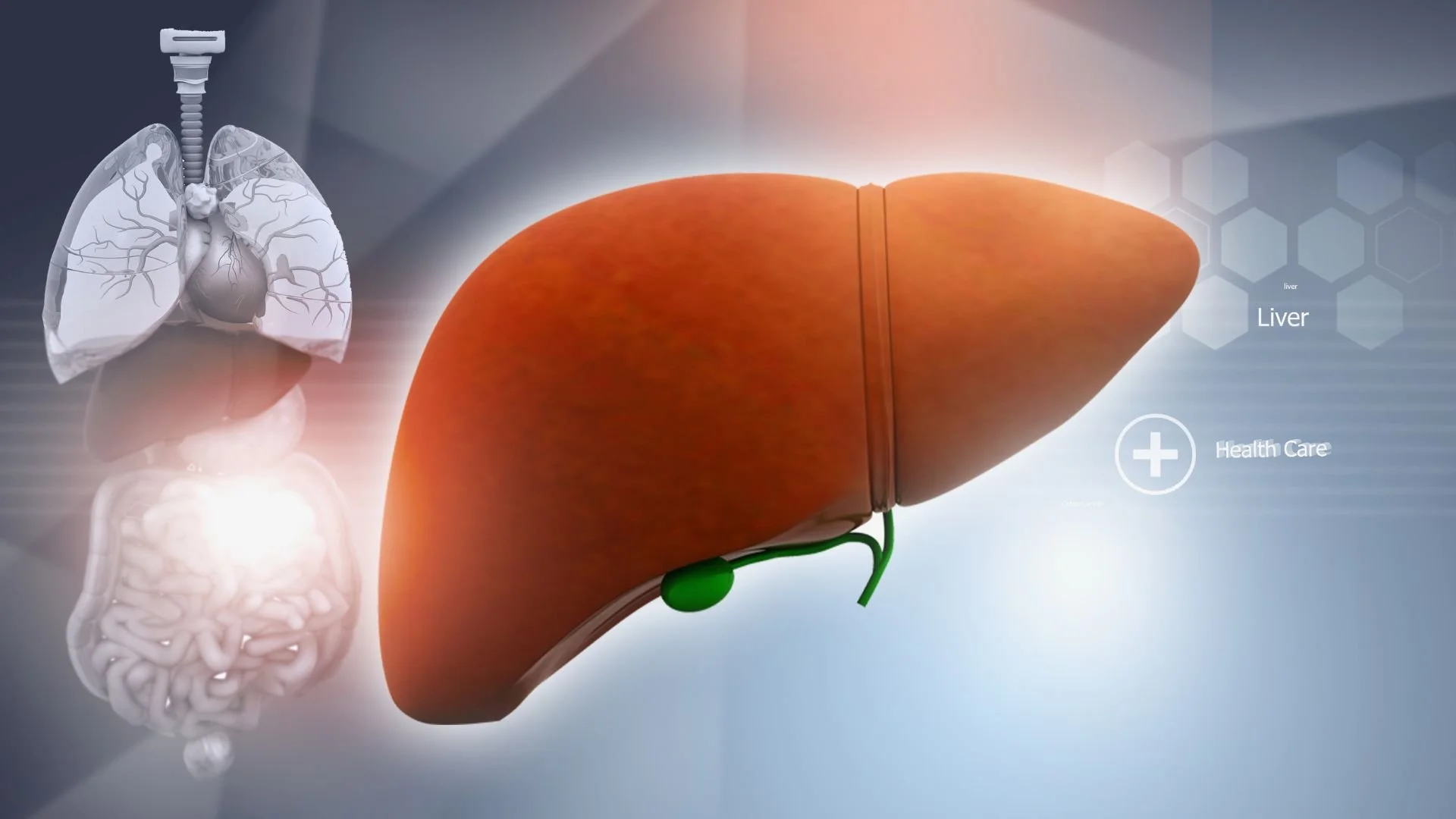
What Is MASLD?
MASLD stands for metabolic dysfunction-associated steatotic liver disease.
In simple terms, MASLD means that too much fat has built up in the liver, and that fat buildup is linked to at least one metabolic health risk factor, such as excess body weight, insulin resistance, type 2 diabetes, high blood pressure, high triglycerides, or abnormal cholesterol.
MASLD is the newer medical name for what many people still know as NAFLD, or non-alcoholic fatty liver disease. In 2023, major international liver societies changed the name from NAFLD to MASLD to better describe the disease and reduce the stigma attached to older terms. The American Association for the Study of Liver Diseases explains that NAFLD is now called MASLD, and that MASLD includes people who have hepatic steatosis, meaning fat in the liver, plus at least one of five cardiometabolic risk factors.
This name change matters. MASLD is not just a “liver problem.” It is a sign that the liver is being affected by the body’s broader metabolic health.
MASLD vs NAFLD: Are They the Same Thing?
For most patients, MASLD and NAFLD refer to the same general condition, but the newer term MASLD is more specific.
The old term, NAFLD, focused on what the disease was not: it was not mainly caused by alcohol. The new term, MASLD, focuses on what the disease usually is: a liver condition strongly linked to metabolic dysfunction.
Here is the basic translation:
| Old term | New term | Meaning |
|---|---|---|
| NAFLD | MASLD | Fat buildup in the liver linked to metabolic risk factors |
| NASH | MASH | Fatty liver with inflammation and liver-cell injury |
| Fatty liver disease | Steatotic liver disease, or SLD | Umbrella term for liver fat from different causes |
| NAFLD + higher alcohol intake | MetALD | Metabolic fatty liver with increased alcohol exposure |
The new umbrella term is steatotic liver disease, or SLD. MASLD is one major type of SLD. MASH is the more inflammatory, more serious form of MASLD. MetALD is a newer category for people who have metabolic fatty liver disease and also drink alcohol above certain weekly thresholds.
Why Did Doctors Change the Name?
The name changed for three important reasons.
First, “non-alcoholic” described the disease by exclusion. It told patients what the condition was not, but not what was actually driving it.
Second, many experts and patient groups felt that the word “fatty” could be stigmatizing. Stigma can make patients feel ashamed, avoid care, or misunderstand the disease.
Third, MASLD better reflects the biology of the condition. The disease is closely tied to metabolic risk factors such as insulin resistance, obesity, high blood pressure, abnormal blood sugar, high triglycerides, and low HDL cholesterol. AASLD notes that the global liver community moved toward this new terminology through a multinational consensus process involving liver societies, patients, regulators, and industry representatives.
The practical message is simple:
MASLD is the liver expression of metabolic dysfunction.
How Common Is MASLD?
MASLD is extremely common. AASLD describes MASLD, formerly called NAFLD, as the most common chronic liver disease worldwide, affecting more than 30% of the global population.
That means MASLD is not a rare diagnosis. Many people discover it by accident during a routine blood test, ultrasound, CT scan, or health checkup.
The challenge is that common does not mean harmless. Many people with MASLD will never develop severe liver disease, but some will progress to inflammation, fibrosis, cirrhosis, or liver cancer. The goal is to identify risk early, reduce liver fat, and prevent progression.
What Causes MASLD?
MASLD happens when the liver stores too much fat and the body’s metabolic system is under stress.
The most common risk factors include:
- Overweight or obesity
- Increased waist circumference
- Insulin resistance
- Prediabetes
- Type 2 diabetes
- High triglycerides
- Low HDL cholesterol
- High blood pressure
- Metabolic syndrome
- Sedentary lifestyle
- High intake of sugary drinks or ultra-processed foods
- Sleep apnea
- Polycystic ovary syndrome, or PCOS
- Family history or genetic susceptibility
MASLD is not simply caused by eating fat. In many people, the deeper driver is insulin resistance. When the body becomes less responsive to insulin, the liver is more likely to produce and store fat. Over time, this can lead to hepatic steatosis, inflammation, and scarring.
A medical summary in NCBI Bookshelf defines MASLD as at least 5% hepatic steatosis plus at least one cardiometabolic risk factor, with no other main underlying cause and minimal or no alcohol intake.
Does MASLD Mean You Never Drink Alcohol?
No. MASLD does not necessarily mean a person never drinks alcohol.
The old term NAFLD created confusion because many patients thought the diagnosis meant “zero alcohol.” The newer terminology is more practical. Doctors now look at metabolic risk factors, alcohol exposure, and other possible causes together.
AASLD explains that MetALD is a separate category for people with MASLD who drink greater amounts of alcohol per week, using thresholds of 140 grams per week for females and 210 grams per week for males.
This does not mean alcohol is “safe” for everyone below those levels. If someone has liver disease, the safest amount depends on their full medical situation, fibrosis risk, medications, and doctor’s advice.
MASLD vs MASH: What Is the Difference?
MASLD is the broader condition. It means fat has built up in the liver and is linked to metabolic dysfunction.
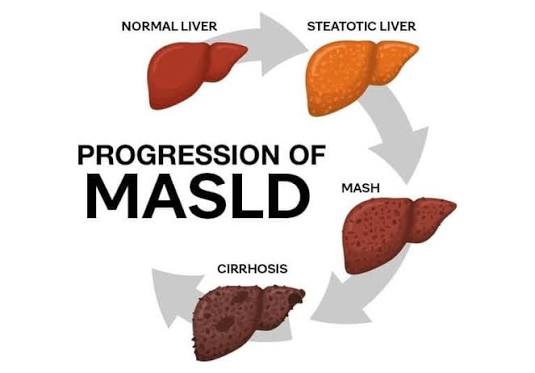
MASH, or metabolic dysfunction-associated steatohepatitis, is the more serious inflammatory form. MASH means that liver fat is not just sitting there quietly. It is associated with liver-cell injury, inflammation, and possible scarring.
The old name for MASH was NASH, or non-alcoholic steatohepatitis. AASLD states that MASH is the replacement term for NASH.
A simple way to understand the difference:
| Stage | What it means |
|---|---|
| MASLD | Fat buildup in the liver linked to metabolic risk factors |
| MASH | Fat buildup plus inflammation and liver-cell injury |
| Fibrosis | Scar tissue begins to form |
| Cirrhosis | Severe scarring changes liver structure and function |
| Liver failure or liver cancer | Possible advanced complications in high-risk cases |
Not everyone with MASLD develops MASH. Not everyone with MASH develops cirrhosis. But identifying risk early matters because fibrosis is one of the most important predictors of long-term liver outcomes.
What Are the Symptoms of MASLD?
Many people with MASLD have no obvious symptoms.
That is one reason fatty liver disease is often called a silent condition. A person may feel completely normal while an ultrasound shows fatty liver or blood tests show elevated liver enzymes.
When symptoms do appear, they may include:
- Fatigue
- Low energy
- Discomfort or dull pain in the upper right abdomen
- Brain fog or poor concentration
- Bloating or digestive discomfort
- Difficulty losing weight
- Signs of insulin resistance, such as belly fat or high blood sugar
These symptoms are not specific to MASLD. They can also come from many other health conditions. That is why MASLD should not be self-diagnosed based on symptoms alone.
Possible warning signs of advanced liver disease include yellowing of the skin or eyes, swelling in the legs or abdomen, confusion, easy bruising, vomiting blood, or black stools. These require urgent medical attention.
How Is MASLD Diagnosed?
MASLD is usually suspected when a person has liver fat on imaging or abnormal liver enzymes plus metabolic risk factors.
Doctors may use:
- Blood tests such as ALT, AST, GGT, bilirubin, platelets, fasting glucose, HbA1c, triglycerides, and cholesterol
- Ultrasound
- FibroScan or transient elastography
- MRI-based liver fat measurement
- FIB-4 score
- NAFLD fibrosis score
- Liver biopsy in selected cases
The 2024 EASL-EASD-EASO guideline states that case-finding for MASLD with fibrosis should use non-invasive tests in people with cardiometabolic risk factors, abnormal liver enzymes, or imaging signs of steatosis, especially when type 2 diabetes or obesity with additional metabolic risk factors is present.
This is important because the main clinical question is not only:
“Do I have liver fat?”
The more important question is:
“Do I have liver inflammation or fibrosis?”
Fat in the liver can often improve. Advanced fibrosis is more serious and needs closer medical monitoring.
Can Liver Enzymes Be Normal With MASLD?
Yes. A person can have MASLD even if ALT and AST are normal.
This is one of the most confusing points for patients. Normal liver enzymes do not always mean the liver is completely healthy. Some people have fatty liver or even fibrosis with liver enzymes that are not dramatically elevated.
That is why doctors often combine blood tests with imaging, metabolic risk assessment, and fibrosis risk tools such as FIB-4 or FibroScan.
Is MASLD Dangerous?
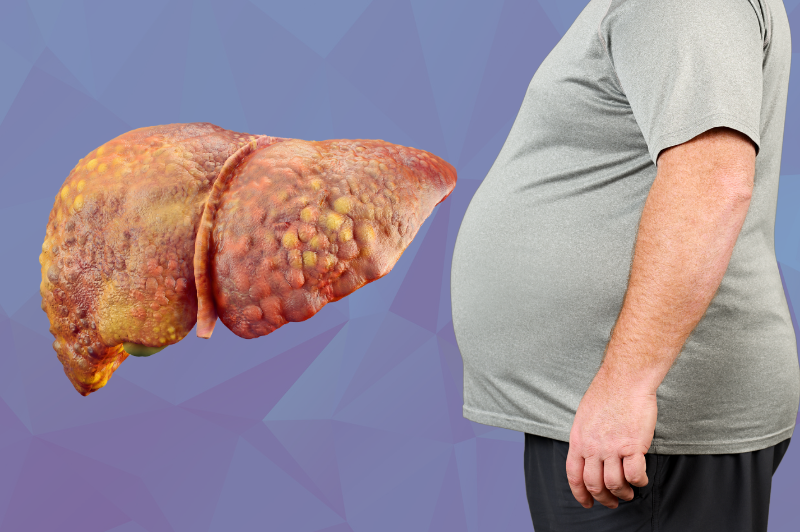
MASLD can be mild, but it should not be ignored.
For many people, MASLD is an early warning sign of metabolic risk. It often travels together with prediabetes, type 2 diabetes, high blood pressure, high triglycerides, low HDL cholesterol, and increased cardiovascular risk.
The liver-related danger is progression from simple steatosis to MASH, fibrosis, cirrhosis, and liver cancer. The FDA notes that NASH, now called MASH, can lead over time to liver scarring and liver dysfunction, and is often associated with health problems such as high blood pressure and type 2 diabetes.
The good news is that MASLD is often manageable, especially when found before advanced fibrosis.
Can MASLD Be Reversed?
In many cases, liver fat can improve significantly with sustained lifestyle changes.
AASLD practice guidance states that 3% to 5% weight loss can improve steatosis, while greater weight loss, often more than 10%, is generally needed to improve NASH and fibrosis.
This does not mean everyone should follow the same diet or weight-loss plan. A safe plan depends on age, current weight, diabetes status, medications, eating history, and other medical conditions.
The most evidence-based lifestyle foundations usually include:
- Losing excess body weight gradually, if needed
- Reducing sugary drinks and refined carbohydrates
- Eating more fiber-rich foods
- Choosing unsaturated fats such as olive oil, nuts, seeds, and fish
- Building meals around vegetables, lean protein, legumes, and whole foods
- Doing regular aerobic activity
- Adding resistance training to improve muscle and insulin sensitivity
- Managing blood sugar, blood pressure, and triglycerides
- Avoiding or reducing alcohol, depending on medical advice
- Treating sleep apnea if present
The goal is not a short “liver detox.” The goal is long-term metabolic repair.
Is There Medication for MASLD?
For many years, there was no medication specifically approved for fatty liver disease with scarring. Lifestyle change was the foundation of treatment.
That changed in 2024. The FDA approved Rezdiffra, also known as resmetirom, for adults with noncirrhotic NASH with moderate to advanced liver scarring, to be used along with diet and exercise. This older term, NASH, corresponds closely to what is now called MASH.
This does not mean every person with MASLD needs medication. Rezdiffra was approved for a specific group: adults with noncirrhotic NASH/MASH and moderate to advanced fibrosis. In the FDA summary, trial participants had biopsy-confirmed NASH with moderate or advanced liver scarring, and the approval was granted under the accelerated approval pathway while a longer confirmatory study continues.
For most people with early MASLD, the first-line strategy remains lifestyle improvement and management of metabolic risk factors.
What Should You Do After a MASLD Diagnosis?
A MASLD diagnosis should be taken seriously, but it is not a reason to panic.
A practical next step is to ask your clinician these questions:
- How much fat is in my liver?
- Do I have signs of inflammation or fibrosis?
- Are my ALT, AST, GGT, platelets, glucose, HbA1c, triglycerides, and cholesterol normal?
- Should I calculate FIB-4 or have a FibroScan?
- Do I have prediabetes, diabetes, high blood pressure, or abnormal cholesterol?
- Should I reduce or avoid alcohol?
- What weight-loss target is realistic and safe for me?
- How often should I repeat blood tests or imaging?
- Do I need to see a gastroenterologist or hepatologist?
- Are any of my medications or supplements risky for my liver?
The best MASLD plan is not only a liver plan. It is a metabolic health plan.
Common Myths About MASLD
Myth 1: “MASLD only happens to people with obesity.”
False. Excess body weight is a major risk factor, but some people develop MASLD at a normal body weight. This is often called lean MASLD or lean fatty liver. It may be linked to visceral fat, genetics, insulin resistance, diet quality, low muscle mass, or metabolic risk despite normal body mass index.
Myth 2: “Normal liver enzymes mean I am fine.”
Not always. ALT and AST can be normal in some people with fatty liver disease. Doctors may need imaging and non-invasive fibrosis tests to understand risk.
Myth 3: “A liver detox will fix MASLD.”
There is no quick detox that reliably reverses MASLD. The liver already has detoxification systems. MASLD improves when metabolic stress improves: weight, blood sugar, triglycerides, insulin resistance, diet quality, physical activity, sleep, and alcohol exposure.
Myth 4: “MASLD is not serious because it is common.”
Common conditions can still be serious. High blood pressure and type 2 diabetes are also common, but they still need attention. MASLD is similar: many cases are manageable, but some progress.
Myth 5: “Fatty liver is only a liver disease.”
MASLD is closely connected with heart and metabolic health. In many patients, the bigger long-term risk may involve cardiovascular disease, diabetes, and metabolic syndrome, not only the liver.
The Bottom Line
MASLD is the new name for the most common form of metabolic fatty liver disease. It means fat has built up in the liver and is linked to at least one cardiometabolic risk factor.
The name changed from NAFLD to MASLD because experts wanted a clearer, more accurate, and less stigmatizing term. NAFLD focused on the absence of alcohol. MASLD focuses on the real driver: metabolic dysfunction.
The most important thing to know is this:
MASLD is common, often silent, and often manageable — but it should not be ignored.
If MASLD is found early, many people can reduce liver fat and lower future risk through weight management, better nutrition, physical activity, improved blood sugar control, and medical monitoring. If fibrosis or MASH is present, closer care and treatment discussions are needed.
MASLD is not a personal failure. It is a medical signal from the liver that the body’s metabolic system needs attention.
FAQ
What does MASLD stand for?
MASLD stands for metabolic dysfunction-associated steatotic liver disease.
Is MASLD the same as fatty liver?
MASLD is one type of fatty liver disease. It refers to fatty liver linked to metabolic risk factors such as obesity, insulin resistance, diabetes, high blood pressure, high triglycerides, or abnormal cholesterol.
Is MASLD the same as NAFLD?
For most patients, yes. MASLD is the newer name for NAFLD. The term was changed to better reflect the metabolic causes of the disease.
What is the difference between MASLD and MASH?
MASLD means fat has built up in the liver with metabolic risk factors. MASH means there is also liver inflammation and liver-cell injury, which can increase the risk of fibrosis.
Can MASLD go away?
Liver fat can improve in many people, especially with sustained weight loss, better diet quality, exercise, and improved metabolic health. The earlier MASLD is found, the better the chance of improvement.
Is MASLD caused by alcohol?
MASLD is primarily linked to metabolic risk factors, not heavy alcohol use. However, alcohol can still worsen liver health, and people with both metabolic risk and higher alcohol intake may fall into the newer MetALD category.
What doctor treats MASLD?
Primary care doctors often detect MASLD first. A gastroenterologist or hepatologist may be involved if liver enzymes remain abnormal, fibrosis risk is elevated, or the diagnosis is unclear.
Should I take supplements for MASLD?
Do not start liver supplements without discussing them with a healthcare professional. Some supplements can interact with medications or harm the liver. Evidence-based lifestyle and medical monitoring should come first.
Is Rezdiffra for everyone with MASLD?
No. Rezdiffra was approved for adults with noncirrhotic NASH/MASH with moderate to advanced fibrosis, used together with diet and exercise. It is not a general treatment for every person with simple fatty liver.
What is the most important number to know after a MASLD diagnosis?
Liver fat matters, but fibrosis risk matters more. Ask your doctor whether you need a FIB-4 score, FibroScan, or other fibrosis assessment.