
Why “NASH F2 F3” Matters
If you have been told you have NASH F2, NASH F3, or NASH with moderate to advanced fibrosis, it can sound scary and confusing.
The important thing to know is this:
NASH F2–F3 is more serious than simple fatty liver, but it is not the same as cirrhosis.
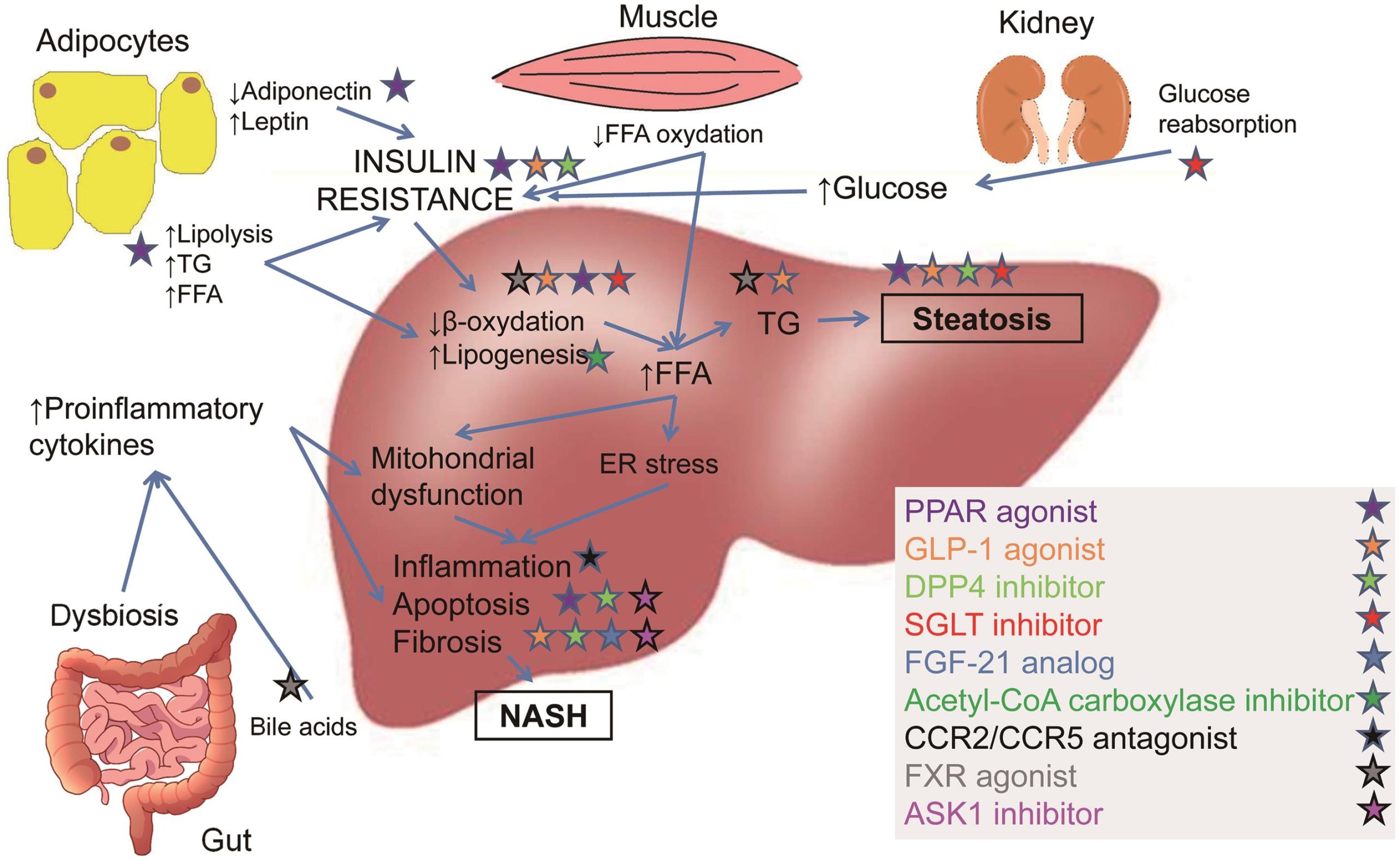
It means there is fat in the liver, inflammation or liver-cell injury, and a meaningful amount of scar tissue. The goal of treatment is to stop progression, reduce liver inflammation, improve metabolic health, and, when possible, improve or stabilize fibrosis.
This topic has become more important because the U.S. FDA approved Rezdiffra, also known as resmetirom, in 2024 for adults with noncirrhotic NASH with moderate to advanced fibrosis, used together with diet and exercise. This was the first FDA-approved treatment for this specific higher-risk fatty liver population.
Today, doctors may also use newer terminology. NAFLD is now often called MASLD, and NASH is now often called MASH. The American Association for the Study of Liver Diseases explains that NAFLD is now MASLD, while MASH is the replacement term for NASH.
So this article uses both terms:
NASH = MASH
NAFLD = MASLD
What Does NASH F2 F3 Mean?
NASH stands for non-alcoholic steatohepatitis. The newer name is MASH, or metabolic dysfunction-associated steatohepatitis.
It means fatty liver is no longer just fat storage. There is also inflammation and liver-cell injury.
The “F” number refers to fibrosis stage, or the amount of scar tissue in the liver.
| Fibrosis stage | Simple meaning | Risk level |
|---|---|---|
| F0 | No fibrosis | Lowest liver scarring risk |
| F1 | Mild fibrosis | Early scarring |
| F2 | Moderate or significant fibrosis | Higher-risk disease |
| F3 | Advanced fibrosis, often called bridging fibrosis | High risk before cirrhosis |
| F4 | Cirrhosis | Advanced liver scarring |
Rezdiffra’s FDA prescribing information describes the approved treatment population as adults with noncirrhotic NASH with moderate to advanced liver fibrosis, consistent with F2 to F3 fibrosis.
That means F2 and F3 are important because they are the stages where fatty liver disease is no longer considered low-risk or mild.
Is NASH F2 F3 the Same as Cirrhosis?
No.
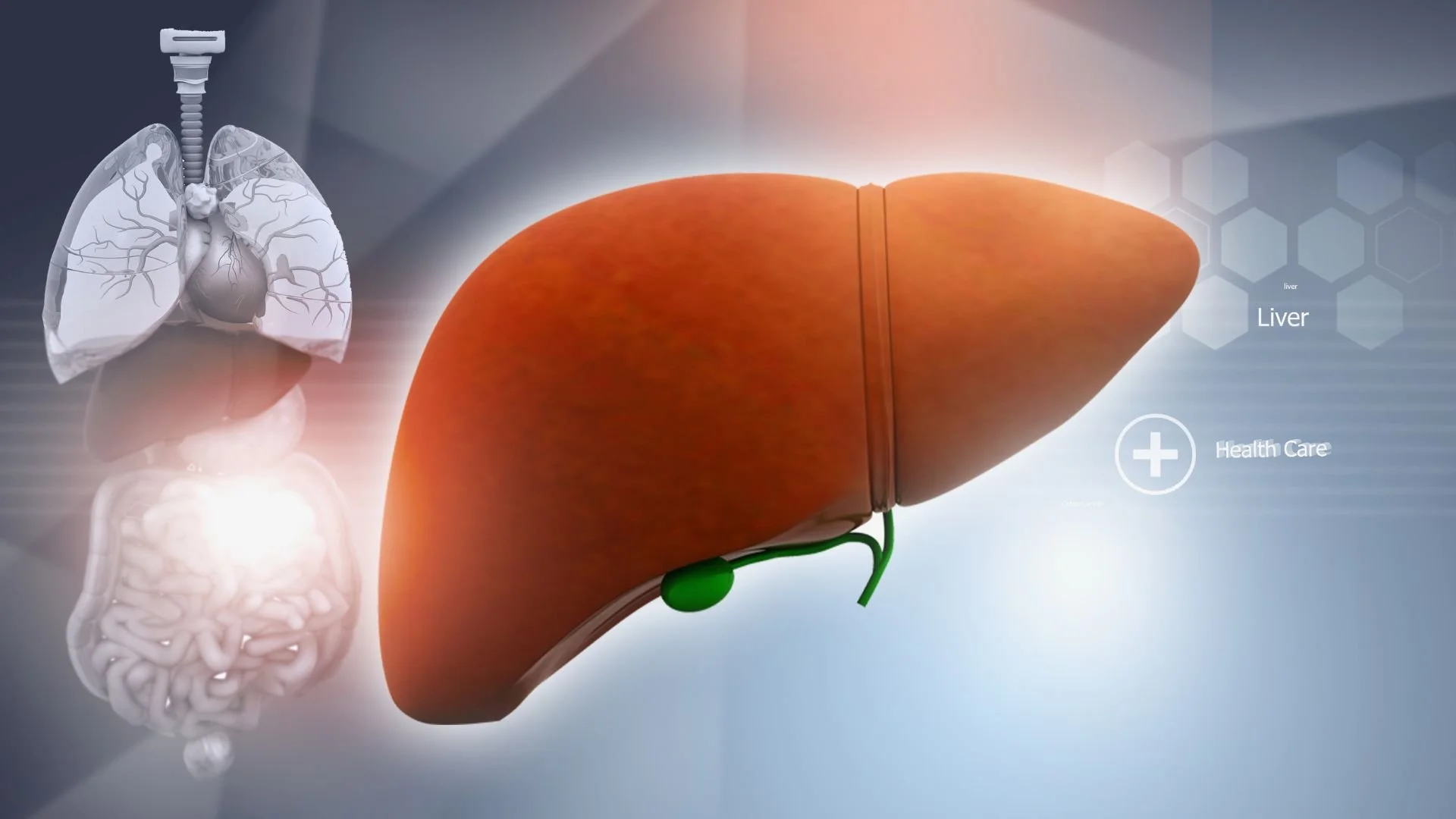
F2 and F3 are not cirrhosis. Cirrhosis is generally F4.
That distinction matters. People with F2 or F3 fibrosis still have an opportunity to prevent progression. Some people may improve fibrosis risk over time with weight loss, metabolic control, lifestyle change, and, for selected patients, medication.
However, F3 is close to cirrhosis on the fibrosis scale, so it deserves careful medical follow-up.
A simple way to think about it:
F2 = important warning stage
F3 = advanced warning stage
F4 = cirrhosis
The treatment goal is to prevent F2 or F3 from becoming F4.
Why NASH F2 F3 Needs Active Treatment
Simple fatty liver can often be managed with lifestyle changes and monitoring. NASH/MASH with F2–F3 fibrosis usually needs a more structured plan.
That plan may include:
- Confirming fibrosis stage
- Treating metabolic risk factors
- Weight-loss planning when appropriate
- Diet changes
- Exercise
- Avoiding or reducing alcohol
- Medication review
- Considering Rezdiffra if eligible
- Managing diabetes, cholesterol, blood pressure and obesity
- Monitoring fibrosis over time
The 2024 EASL-EASD-EASO MASLD guideline recommends a stepwise approach using blood-based scores such as FIB-4, followed by imaging techniques such as transient elastography, to help rule out or rule in advanced fibrosis. It also emphasizes lifestyle modification, weight loss, dietary changes, physical exercise, discouraging alcohol consumption, and optimal management of comorbidities.
This is why treatment is not just about the liver. NASH F2–F3 is usually a whole-metabolism problem.
Treatment Goal #1: Confirm the Fibrosis Risk
Before discussing treatment, the first step is to understand how confident the diagnosis is.
Some patients are told they have F2 or F3 based on:
- Liver biopsy
- FibroScan or transient elastography
- Magnetic resonance elastography
- ELF blood test
- FIB-4 score
- A combination of blood tests and imaging
- Specialist interpretation
A liver biopsy was used in the pivotal Rezdiffra clinical trial, but the manufacturer stated at FDA approval that the prescribing information does not include a liver biopsy requirement for diagnosis.
That does not mean fibrosis staging is optional. It means doctors may use non-invasive tests and clinical judgment in real-world care.
If you are told you have NASH F2 or F3, useful questions include:
- How was my fibrosis stage estimated?
- Was it based on FibroScan, FIB-4, MRI, ELF, biopsy, or another method?
- Could the result be falsely high or falsely low?
- Do I need repeat testing?
- Should I see a liver specialist?
Treatment Goal #2: Weight Loss When Appropriate
Weight loss is one of the strongest evidence-based tools for improving fatty liver disease.
AASLD practice guidance states that 3–5% weight loss can improve steatosis, while greater weight loss, often more than 10%, is generally required to improve NASH and fibrosis.
This is very important for F2–F3 disease.
For someone with NASH/MASH and fibrosis, the goal is not only to reduce liver fat. The deeper goal is to reduce inflammation, improve insulin resistance, lower cardiometabolic risk, and prevent scarring from progressing.
A realistic treatment plan may include:
- A 5% weight-loss target as an early milestone
- A 7–10% target if safe and appropriate
- More than 10% weight loss for selected patients when medically appropriate
- Gradual, sustainable changes instead of crash dieting
- Dietitian support if available
- Monitoring for muscle loss, especially in older adults
Crash diets, extreme fasting, and unsafe supplement plans are not the right approach for NASH F2–F3.
Treatment Goal #3: Use the Right Diet Pattern
There is no single perfect “NASH F2 F3 diet,” but the best-supported approach is usually a cardiometabolic diet pattern.
A strong diet plan often includes:
- Vegetables at most meals
- High-fiber foods
- Beans and legumes
- Whole grains if tolerated
- Nuts and seeds
- Fish and lean protein
- Olive oil or other unsaturated fats
- Lower intake of sugary drinks
- Lower intake of refined carbohydrates
- Less ultra-processed food
- Less saturated fat from processed meats and fried foods
- Better portion control
The diet should also match the patient’s full health situation. A person with diabetes, kidney disease, gout, high triglycerides, or a history of disordered eating may need a more individualized plan.
For NASH F2–F3, the best diet is not a temporary “liver cleanse.” It is a long-term eating pattern that improves insulin resistance, weight, triglycerides, blood sugar, and inflammation.
Treatment Goal #4: Exercise and Muscle Building
Exercise helps fatty liver even when weight loss is slow.
A good plan usually combines:
- Aerobic exercise
- Resistance training
- Less sitting
- Daily walking
- Gradual progression
For many patients, the starting point can be simple:
- Walk after meals
- Add two or three strength-training sessions per week
- Break long sitting periods
- Increase total weekly movement
- Build muscle safely over time
Resistance training matters because muscle is a major glucose-storage tissue. Better muscle health can improve insulin sensitivity, which is central to MASLD/MASH risk.
The goal is not to become an athlete. The goal is to become metabolically healthier.
Treatment Goal #5: Consider Rezdiffra if Eligible
Rezdiffra is now the most important medication-specific topic for NASH F2–F3.
The FDA approved Rezdiffra for adults with noncirrhotic NASH with moderate to advanced liver scarring, used along with diet and exercise.
The FDA prescribing information states that Rezdiffra is indicated for adults with noncirrhotic NASH with moderate to advanced liver fibrosis, consistent with F2 to F3 fibrosis, and should be used with diet and exercise.
That makes Rezdiffra directly relevant to many people searching for “NASH F2 F3 treatment.”
However, it is not for everyone with fatty liver.
| Patient situation | Rezdiffra relevance |
|---|---|
| Simple fatty liver without fibrosis | Usually not the approved target group |
| NASH/MASH with F1 fibrosis | Usually not the approved target group |
| NASH/MASH with F2 fibrosis | Potentially relevant |
| NASH/MASH with F3 fibrosis | Potentially relevant |
| Cirrhosis / F4 | Not the approved target group |
| Decompensated cirrhosis | Avoid use according to prescribing information |
What Trial Data Showed for Rezdiffra
The FDA approval was based on a 12-month analysis from an ongoing 54-month trial in patients with biopsy-confirmed NASH and moderate or advanced liver scarring. The FDA described two main biopsy-based outcomes: NASH resolution without worsening fibrosis, and fibrosis improvement without worsening steatohepatitis.
The FDA label reports that at 12 months, Rezdiffra-treated patients had higher response rates than placebo for both NASH resolution and fibrosis improvement. For steatohepatitis resolution without worsening fibrosis, response rates were 26–27% for the 80 mg dose and 24–36% for the 100 mg dose, compared with 9–13% for placebo, depending on pathologist reading. For fibrosis improvement without worsening steatohepatitis, response rates were 23% for the 80 mg dose and 24–28% for the 100 mg dose, compared with 13–15% for placebo.
This is meaningful, but it is not a guaranteed cure. Many patients did not meet those endpoints, which is why lifestyle and metabolic risk management remain essential.
Rezdiffra Safety and Monitoring
Rezdiffra is a prescription medication and has important safety considerations.
The FDA label lists common adverse reactions including diarrhea, nausea, itching, vomiting, constipation, abdominal pain and dizziness. It also includes warnings about liver-related adverse reactions and gallbladder-related adverse reactions.
The label also includes drug-interaction considerations, including strong CYP2C8 inhibitors such as gemfibrozil, moderate CYP2C8 inhibitors such as clopidogrel, OATP1B1/OATP1B3 inhibitors such as cyclosporine, and certain statins.
Patients should not self-start or try to obtain Rezdiffra casually. A doctor should review:
- Liver stage
- Cirrhosis status
- Gallbladder history
- Current medications
- Statin use
- Liver blood tests
- Other causes of liver disease
- Pregnancy or breastfeeding considerations
- Treatment monitoring plan
Treatment Goal #6: Manage Diabetes, Prediabetes and Insulin Resistance

NASH F2–F3 is strongly connected with metabolic disease.
Many patients have one or more of the following:
- Prediabetes
- Type 2 diabetes
- High triglycerides
- High blood pressure
- Low HDL cholesterol
- Obesity
- Increased waist circumference
- Sleep apnea
- PCOS
- Cardiovascular risk
The EASL-EASD-EASO guideline emphasizes optimal management of comorbidities and mentions incretin-based therapies such as semaglutide and tirzepatide for type 2 diabetes or obesity when indicated.
This does not mean every person with NASH F2–F3 should take a GLP-1 or similar medication. It means metabolic treatment matters. If obesity or diabetes is present, weight-loss and glucose-lowering medications may be part of the broader plan under medical supervision.
The liver does not exist in isolation. Treating blood sugar, weight, blood pressure and cholesterol is part of treating the liver risk.
Treatment Goal #7: Treat Cholesterol and Heart Risk
Many people worry that cholesterol medications may harm the liver. This fear can lead some patients to avoid treatment even when cardiovascular risk is high.
But for many people with MASLD/MASH, heart disease risk is a major concern. A complete treatment plan should include:
- LDL cholesterol assessment
- Triglyceride management
- Blood pressure control
- Diabetes or prediabetes management
- Smoking cessation if relevant
- Exercise
- Weight management
- Medication review with a doctor
If you are taking Rezdiffra, statin dosing may need review because the prescribing information includes interactions with certain statins.
Do not stop statins or cholesterol medication without medical advice.
Treatment Goal #8: Alcohol Review
Even though NASH historically means “non-alcoholic,” alcohol can still worsen liver risk.
With newer terminology, doctors may classify some patients as having MetALD when metabolic fatty liver disease overlaps with higher alcohol intake. AASLD explains that MetALD describes people with MASLD who consume more alcohol per week, using thresholds of 140 grams per week for females and 210 grams per week for males.
For someone with F2 or F3 fibrosis, alcohol should be discussed honestly with a clinician. Some people may be advised to avoid alcohol completely, especially if fibrosis is advanced or liver enzymes are abnormal.
The key is not to guess. Ask your doctor what alcohol limit, if any, is safe for your stage.
Treatment Goal #9: Avoid Liver-Risk Supplements and “Detox” Products
People with NASH F2–F3 are often tempted by liver detox pills, cleanses, teas, powders and herbal products.
This can be risky.
Some supplements can interact with medications or cause liver injury. Others may delay real treatment. For F2–F3 fibrosis, the priority should be evidence-based care, not aggressive cleansing.
Before taking any supplement, ask:
- Is there human evidence for NASH/MASH fibrosis?
- Is it safe with my medications?
- Could it affect liver enzymes?
- Is the dose tested?
- Is the product third-party tested?
- Does my doctor know I am taking it?
The liver does not need a harsh detox. It needs lower metabolic stress, safer inputs, and medical monitoring.
Treatment Goal #10: Monitor Progress
NASH F2–F3 treatment is not a one-week project. It is a long-term risk-reduction plan.
Monitoring may include:
- Weight and waist circumference
- ALT, AST and GGT
- Platelets
- HbA1c or fasting glucose
- Lipid panel
- FIB-4 score
- FibroScan or elastography
- ELF test
- MRI-based tests in selected cases
- Medication side effects
- Blood pressure
- Alcohol intake
- Sleep apnea treatment if present
No single test tells the whole story. ALT may improve while fibrosis risk still needs monitoring. Weight may drop while liver stiffness needs time to change. FibroScan can vary depending on inflammation, congestion, meals, operator technique and other factors.
A good doctor will look at the trend, not just one number.
What Improvement Looks Like
Improvement may include:
- Weight loss if overweight
- Lower waist circumference
- Lower ALT or AST
- Better triglycerides
- Improved HbA1c
- Lower liver stiffness
- Better FIB-4 risk category
- Improved energy
- Better blood pressure
- Reduced liver fat on imaging
- No progression to cirrhosis
But patients should be careful with expectations. Fibrosis improvement can take time. Some goals may be about stabilization rather than complete reversal.
With F2–F3 disease, “not getting worse” can be a meaningful victory.
When to See a Liver Specialist
A hepatologist or gastroenterologist may be especially important if:
- You have F2 or F3 fibrosis
- FibroScan liver stiffness is elevated
- FIB-4 is high or indeterminate
- ALT or AST stays high
- Platelets are low
- Imaging suggests advanced liver disease
- You have diabetes plus fatty liver
- You are being considered for Rezdiffra
- There is uncertainty about diagnosis
- You may have another liver disease
- You have signs of cirrhosis
Possible warning signs that need urgent medical attention include jaundice, vomiting blood, black stools, severe confusion, new abdominal swelling, severe right upper abdominal pain, or sudden worsening weakness.
Common Mistakes Patients Make
Mistake 1: Thinking F2 or F3 Means Nothing
F2 and F3 are not mild findings. They suggest meaningful scar tissue and need a structured plan.
Mistake 2: Thinking F2 or F3 Means Cirrhosis
F2 and F3 are serious, but they are not the same as F4 cirrhosis. There is still an opportunity to reduce risk.
Mistake 3: Trying a Detox Instead of Treating Metabolic Risk
A detox does not replace weight management, blood sugar control, exercise, fibrosis monitoring or medical treatment.
Mistake 4: Ignoring Diabetes and Heart Risk
NASH F2–F3 is strongly connected with metabolic disease. Treating diabetes, cholesterol and blood pressure is part of liver care.
Mistake 5: Assuming Rezdiffra Is for All Fatty Liver
Rezdiffra is approved for a specific group: adults with noncirrhotic NASH/MASH and F2–F3 fibrosis, used with diet and exercise.
Mistake 6: Not Asking How Fibrosis Was Measured
If you are told you have F2 or F3 fibrosis, ask which test showed it and whether it should be confirmed or repeated.
A Practical Treatment Checklist
If you have NASH F2–F3, discuss this checklist with your healthcare team:
- Confirm whether you have NASH/MASH, not just simple steatosis
- Confirm fibrosis stage and how it was measured
- Ask whether you need a hepatologist or gastroenterologist
- Calculate or review FIB-4
- Ask whether FibroScan, ELF or MRI-based testing is needed
- Set a safe weight-loss target if appropriate
- Build a sustainable diet plan
- Start or increase exercise gradually
- Add resistance training if safe
- Review alcohol intake
- Review all medications and supplements
- Manage diabetes or prediabetes
- Treat cholesterol and blood pressure
- Ask whether Rezdiffra is appropriate
- Create a monitoring schedule
Bottom Line
NASH F2–F3 means fatty liver disease has reached a higher-risk stage. There is liver inflammation or injury plus moderate to advanced fibrosis, but not cirrhosis.
The treatment approach is not one magic pill or one detox plan. It is a structured medical and lifestyle strategy:
confirm fibrosis risk, lose weight if needed, improve diet, exercise, manage diabetes and heart risk, avoid liver stressors, monitor carefully, and consider Rezdiffra if eligible.
Rezdiffra is a major breakthrough because it is the first FDA-approved medication for adults with noncirrhotic NASH/MASH and F2–F3 fibrosis, used with diet and exercise. But it does not replace lifestyle change, and it is not for every fatty liver patient.
If you have been told you have NASH F2 or F3, the most important next step is to ask your doctor:
How advanced is my fibrosis, and what is my complete treatment plan to prevent progression?
FAQ
What is NASH F2?
NASH F2 means non-alcoholic steatohepatitis, now often called MASH, with moderate or significant fibrosis. It means liver scarring is present and the disease is more serious than simple fatty liver.
What is NASH F3?
NASH F3 means NASH/MASH with advanced fibrosis, often called bridging fibrosis. It is not cirrhosis, but it is a high-risk stage before cirrhosis.
Is NASH F2 F3 curable?
Some people can improve liver fat, inflammation and fibrosis risk over time, especially with sustained weight loss, metabolic control and medical care. But “cure” is not the best word. The safer goal is improvement, stabilization and prevention of progression.
Is Rezdiffra approved for NASH F2 F3?
Yes. Rezdiffra is approved for adults with noncirrhotic NASH with moderate to advanced fibrosis, consistent with F2 to F3 fibrosis, used together with diet and exercise.
Is F3 fibrosis cirrhosis?
No. F3 is advanced fibrosis, but cirrhosis is generally F4.
Can F3 fibrosis improve?
Fibrosis may improve in some patients when the underlying liver injury is reduced, but improvement takes time and should be monitored by a healthcare professional.
How much weight loss helps NASH fibrosis?
AASLD guidance states that 3–5% weight loss can improve steatosis, while greater weight loss, often more than 10%, is generally needed to improve NASH and fibrosis.
Do I need a liver biopsy for NASH F2 F3?
Not always. Liver biopsy is one way to stage NASH and fibrosis, but doctors may also use non-invasive tests such as FIB-4, FibroScan, ELF or MRI-based testing. Rezdiffra’s prescribing information does not include a liver biopsy requirement for diagnosis, according to the manufacturer’s FDA approval announcement.
What doctor treats NASH F2 F3?
A primary care doctor may detect fatty liver, but NASH F2–F3 is often managed with help from a gastroenterologist or hepatologist.
What should I avoid with NASH F2 F3?
Ask your doctor about alcohol, unnecessary supplements, crash diets, unsafe weight-loss products, uncontrolled diabetes, untreated high triglycerides, and medications that may need liver-safety review.
Originally posted 2026-06-08 11:14:27.